
Blog

best online acting classes
Blog

How Best Online Acting Classes Help Actors Practice Effectively

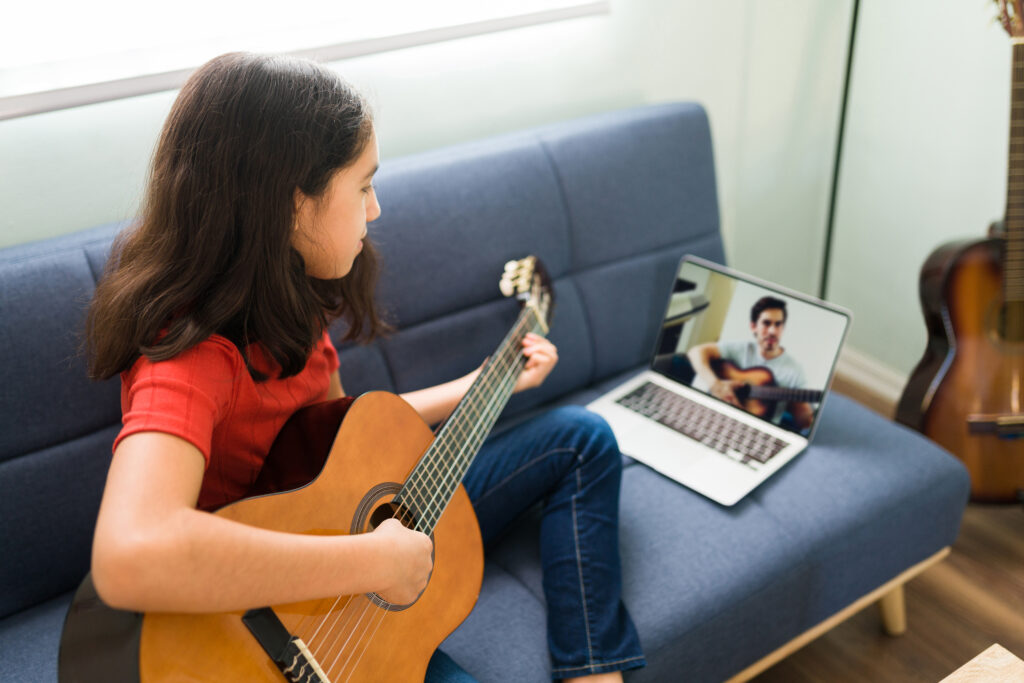
In the modern world, actors no longer have to be confined to traditional in-person classes to hone their craft. Online acting classes have rapidly gained popularity, offering a flexible and dynamic way for actors to practice and develop their skills. With advances in technology, these virtual platforms have become more interactive, providing aspiring performers with a plethora of resources to practice effectively. But how exactly do online acting classes help actors practice in the best possible way? This article delves into the numerous advantages and techniques that make online acting classes an effective tool for actors. 1. Flexibility to Learn at Your Own Pace One of the most significant advantages of online acting classes is the flexibility they provide. Traditional in-person classes typically require actors to adhere to a set schedule, which can be difficult to maintain for those with busy lifestyles or unpredictable work commitments. Online acting courses, on the other hand, allow actors to access lessons, workshops, and materials at their own pace. This flexibility enables actors to manage their time efficiently, fitting in lessons when it’s most convenient for them. Whether you’re an early riser or a night owl, online classes are designed to accommodate a variety of schedules, ensuring that actors can consistently practice their craft without feeling pressured. 2. Access to a Wide Range of Resources In online acting classes, actors gain access to a broad range of resources, tools, and content. From video lessons and self-paced exercises to interactive live workshops and community forums, these resources are carefully designed to help actors develop essential skills. Many online platforms offer in-depth training on core techniques such as voice control, body language, character analysis, and emotional depth. Additionally, actors can often find a diverse array of materials that suit their learning preferences, from video tutorials to reading assignments, giving them the freedom to explore various aspects of acting. 3. Personalized Feedback and Support Even in an online setting, actors still benefit from personalized feedback. While some online courses provide one-on-one sessions with instructors, others offer peer reviews or detailed assessments on recorded performances. Receiving constructive feedback is crucial for growth in any art form, and online acting classes ensure that actors aren’t left to practice in isolation. Whether through live feedback during virtual sessions or written comments on recorded scenes, online classes offer various ways to help actors refine their performances. The feedback provided can be tailored to an actor’s individual strengths and weaknesses, ensuring that they can make focused improvements. 4. Building Confidence and Self-Discipline Online acting classes require actors to be self-motivated, building essential skills like discipline and time management. With limited in-person interaction, students learn to take responsibility for their own progress, making online platforms a great environment for developing self-discipline. Moreover, actors practice being confident in their craft, recording self-tapes or performing exercises in front of the camera. This builds a level of comfort that’s beneficial for their on-camera work. By practicing regularly in front of a camera or during live virtual sessions, actors are exposed to different situations that challenge them to step outside their comfort zones and build confidence in their abilities. 5. Virtual Workshops and Networking Opportunities Online acting classes aren’t just about learning techniques and skills. They also create opportunities for actors to connect and network with fellow performers. Virtual workshops often bring together people from around the world, fostering a global community of aspiring and experienced actors. These workshops can be incredibly valuable for learning from others, collaborating on projects, and gaining new perspectives. Networking with other actors and industry professionals can also help build lasting relationships. These connections may lead to collaborations, partnerships, and even job opportunities, making the social aspect of online acting classes a significant benefit for those seeking to build a career in acting. 6. The Advantage of Self-Tape Practice In recent years, self-taping has become an essential skill for actors, especially with the rise of digital casting platforms. Many online acting courses provide actors with specific exercises designed to improve their self-taping skills. This includes learning how to set up the right environment, framing the shot, managing lighting, and delivering compelling performances on camera. Online classes allow actors to practice self-taping in the comfort of their own space, enabling them to perfect their technique over time. They can also watch their recordings to assess their performances, making it easier to identify areas of improvement. 7. Continuous Learning and Growth Acting is a craft that requires continuous learning, and online acting classes ensure that this is possible. Unlike traditional acting schools, where a fixed syllabus is followed, online platforms regularly update their courses to keep up with the latest trends, techniques, and acting methodologies. Additionally, actors can revisit lessons, review material, and continue practicing at any time. This perpetual access to learning ensures that actors remain engaged and continue growing, no matter their level of experience. 8. Affordability and Accessibility Traditional acting classes, especially in prestigious schools or with renowned coaches, can be costly. Online acting courses, however, are generally more affordable, with many platforms offering a range of pricing options, from pay-per-class to subscription models. This affordability makes it easier for aspiring actors, regardless of their financial situation, to access quality training. Moreover, online platforms break down geographic barriers. No matter where an actor is located—whether in a small town or a large city—they can enroll in classes offered by top professionals from around the world. This accessibility broadens an actor’s learning opportunities, allowing them to study with coaches and experts who might otherwise be out of reach. 9. Preparation for Real-World Auditions Online acting classes don’t just teach technique; they also prepare actors for real-world situations, such as auditions and performances. Many online programs simulate audition scenarios, giving actors the opportunity to practice their craft in a safe, supportive environment. By recording self-tapes or participating in mock auditions, actors can refine their skills and gain confidence in the audition process. Actors who take online acting classes also learn how to


best acting schools
Blog

How the best acting schools shape confidence and performance

Acting is more than just a skill; it’s an art form that requires confidence, discipline, and emotional intelligence. Aspiring actors often seek the best acting schools to refine their craft and take their performances to the next level. These schools provide not only technical training but also the tools necessary to build confidence, develop a unique voice, and understand the intricate dynamics of performance. In this blog, we will explore how the best acting schools help shape both confidence and performance, providing aspiring actors with the skills needed for a successful career. 1. Building the Foundation: Understanding the Basics Before diving into complex performance techniques, acting schools focus on teaching the fundamentals. These include voice control, body movement, and the understanding of different acting styles. Students are taught how to connect with their body, improve vocal techniques, and communicate emotions effectively. This foundation is crucial because it allows students to perform authentically. A well-rounded education in acting provides actors with the tools needed to approach any role confidently. By mastering basic techniques early on, students feel empowered to take on more challenging and intricate roles as their training progresses. 2. Boosting Confidence Through Consistent Practice One of the primary ways acting schools help shape confidence is by providing consistent opportunities for practice. The best schools encourage students to perform regularly, whether in class or through performances. This repetition of practice allows students to become comfortable with their craft and build a strong sense of self-assurance. Performing in front of an audience, whether small or large, helps actors overcome nerves and develop poise. Through various exercises, students gain confidence in their ability to portray different emotions and characters authentically. They also learn how to handle rejection, criticism, and feedback, which is essential for anyone pursuing a career in acting. 3. Fostering Emotional Intelligence Acting is inherently tied to emotions, and the best acting schools place a strong emphasis on emotional intelligence. Students learn to tap into their emotions and channel them into their performances. This process helps students build an authentic emotional range, which is vital for portraying complex characters on stage or screen. By studying the emotional aspects of performance, actors gain a deeper understanding of their characters. This, in turn, helps them deliver more compelling and nuanced performances. As actors become more in tune with their emotions, they become more confident in their ability to express these emotions through their characters. 4. Encouraging Self-Discovery and Personal Growth Acting schools also play an important role in fostering self-discovery. As students explore different roles, they learn more about themselves and their own strengths and weaknesses. This personal growth helps students build confidence as they gain a better understanding of their capabilities. Self-discovery in acting is not limited to just emotional exploration but also involves intellectual and creative challenges. Acting students are often encouraged to break free from their comfort zones, experiment with different styles and techniques, and push the boundaries of their creativity. This environment of creative freedom and self-exploration enables students to become more confident and comfortable in their own abilities. 5. Performance Techniques That Enhance Acting Skills The best acting schools teach a variety of performance techniques designed to enhance an actor’s skill set. Techniques such as Stanislavski’s System, Meisner Technique, and Lee Strasberg’s Method focus on emotional connection, spontaneity, and deep character exploration. Students are encouraged to delve into these techniques, gaining a deeper understanding of how to transform into different characters. In addition to emotional techniques, students also learn physical techniques that help shape their performance. Physicality in acting can dramatically affect the portrayal of a character. Whether it’s through gesture, posture, or movement, physical performance adds depth to an actor’s portrayal. This well-rounded training enables actors to build confidence in both their mental and physical performance skills. 6. Learning from Industry Professionals Another key component of the best acting schools is the opportunity to learn from industry professionals. Many top-tier acting schools bring in experienced actors, directors, and playwrights to mentor students. This exposure to professionals who have succeeded in the industry provides invaluable insight and motivation for aspiring actors. Learning from those who have been in the industry for years gives students a realistic perspective on what to expect and how to succeed. These mentors often share their experiences, offering tips on navigating the industry, dealing with auditions, and maintaining a long-lasting career. This mentorship builds confidence in students by showing them what is achievable with hard work, dedication, and the right mindset. 7. The Role of Critique and Feedback in Shaping Performance Receiving constructive criticism is an essential part of an actor’s growth. In the best acting schools, students regularly receive feedback on their performances from both their peers and instructors. This feedback helps students identify areas for improvement and refine their techniques. While receiving critique can be difficult, it plays a crucial role in building confidence. By learning to accept and apply feedback, actors grow stronger and more resilient. They learn not to take criticism personally but to view it as an opportunity to develop their craft further. As students see improvements in their performances, their confidence naturally grows. 8. Creating a Supportive Community A supportive community is essential for building confidence in any field, and acting schools are no exception. The best schools create an environment where students feel safe to take risks, experiment, and make mistakes. This environment encourages personal growth and allows actors to develop their talents without fear of judgment. Through collaboration with other aspiring actors, students learn the importance of teamwork and supporting one another. By sharing experiences and challenges, students form strong connections with their peers. These relationships help students feel more confident, knowing they are part of a supportive and like-minded community. 9. Conclusion: The Lasting Impact of Acting Schools on Confidence and Performance The best acting schools provide the training, support, and guidance necessary to shape both confidence and performance. Through consistent practice, emotional exploration, personal growth, and the use of professional performance techniques,

acting schools with structured programs
Blog

Join Acting Schools Offering Structured Programs for Serious Growth

Introduction If you’re passionate about acting and determined to make it a professional career, enrolling in an acting school with a structured program is the best way to grow. Acting is not just about talent; it’s about refining skills, understanding the craft, and gaining practical experience. The right school can provide you with these opportunities, helping you to hone your craft and take your skills to new heights. In this article, we explore why structured acting programs are essential for serious growth and how to find the right one for you. The Importance of Structured Acting Programs Acting schools with structured programs are designed to provide comprehensive training that will enhance your skills in a systematic way. Unlike random workshops or short-term classes, these programs focus on long-term development. They offer a carefully planned curriculum that covers a wide range of essential skills. From voice training to emotional depth, physical control to improvisation, every class is tailored to nurture an actor’s potential. Focused Learning for Consistent Growth A structured program ensures that you are learning everything you need to know to become a well-rounded actor. For example, beginners may start with the basics of acting, including how to memorize lines, understand blocking, and develop character. Advanced students, on the other hand, work on honing their ability to portray deep emotions, perform in front of an audience, and adapt to various acting styles. These progressive levels help actors build confidence and push their limits. What to Expect in a Structured Acting Program Comprehensive Curriculum One of the biggest advantages of structured programs is that they provide a comprehensive curriculum. This is more than just acting; it covers multiple aspects of performance, including: Why Structured Programs Are a Step Ahead Discipline and Commitment The acting industry is competitive, and talent alone is not enough to succeed. Structured acting programs require discipline and commitment, which are critical traits for any actor. The schedule and demands of these programs ensure that students stay focused and motivated, pushing themselves to learn and grow. Access to Professional Mentorship Another key benefit of structured acting schools is access to professional mentors. Instructors are often experienced actors themselves, or directors with an in-depth understanding of the industry. They provide invaluable feedback, guidance, and industry insights. This mentorship plays a vital role in helping actors shape their careers and make better choices in their training. Networking Opportunities Acting schools with a solid structure often have connections with casting agents, theater companies, and film studios. This gives students the chance to network and make connections within the industry. Many of these schools offer showcases or performance opportunities where students can showcase their skills in front of professionals who could help them land their first roles. How to Choose the Right Acting School Reputation and Accreditation When choosing an acting school, reputation matters. Look for schools with a proven track record of producing successful actors. Research the school’s alumni and see if they have been successful in the industry. Accreditation is also important, as it ensures that the program meets specific industry standards. Tailored Programs Ensure that the acting school offers a program that aligns with your specific goals. Whether you want to focus on theater, film, or television, the school should provide a curriculum that fits your career aspirations. Also, check if the school offers personalized coaching and support to help you grow at your own pace. Class Sizes and Attention Smaller class sizes are beneficial because they allow for more personalized attention. Larger classes may be less intimate, which can mean less one-on-one time with instructors. If serious growth is your goal, you need an environment where you can be coached effectively. Student Success Stories and Alumni Testimonials To gauge the effectiveness of a structured program, it’s helpful to look at past students’ success stories. Many acting schools showcase alumni who have gone on to successful careers. These success stories offer valuable insight into the school’s potential to help you grow as an actor. Alumni testimonials are also a great way to learn about the learning environment and the overall experience at the school. Challenges of Acting Programs and How to Overcome Them Time Commitment and Workload Structured acting programs require a significant time commitment. They can be intense, with long hours of practice, rehearsals, and coursework. For students who are working or have other commitments, this can be overwhelming. The key is time management – prioritize your classes, practice daily, and stay disciplined. Financial Considerations Acting schools with structured programs can be costly. Many students find it difficult to manage tuition fees along with living expenses. However, financial aid options and scholarships are often available, so make sure to research those opportunities. Some schools also offer payment plans to make it easier to manage costs. Conclusion Enrolling in an acting school with a structured program can provide you with the skills, mentorship, and experience necessary to take your acting career seriously. Whether you’re a beginner or an experienced actor, a structured program will help you develop the discipline and knowledge needed for consistent growth. By choosing the right school with a comprehensive curriculum and access to industry professionals, you can build a strong foundation for your acting career and set yourself up for long-term success. Take the leap today, and begin your journey toward becoming a serious actor with the right training and support.

online acting classes for beginners
Blog

Learn from anywhere with the best online acting classes for beginners

Acting is a skill that can be nurtured, honed, and perfected with the right tools, guidance, and practice. The internet has transformed the way people learn, allowing anyone to pick up a new skill, whether they are a busy professional or a stay-at-home parent. For aspiring actors, this is particularly significant, as online acting classes offer flexibility, accessibility, and convenience. In this article, we’ll explore the best online acting classes for beginners, helping you take the first step in your acting journey from the comfort of your home. The Advantages of Online Acting Classes Online acting classes have become a popular option for many aspiring actors. They offer several advantages over traditional in-person classes: 1. Flexibility in Scheduling One of the primary benefits of online acting classes is the ability to learn at your own pace. With flexible scheduling, you can balance your acting education with your other commitments, whether it’s work, school, or family. 2. Accessibility from Anywhere Another key advantage is that you can access lessons from anywhere in the world. Whether you’re in a small town or a large city, online platforms bring professional acting instructors to your screen, making high-quality education more accessible than ever. 3. Affordable Learning Many online platforms offer acting classes at a fraction of the cost of traditional drama schools or in-person training. This affordability allows beginners to explore their passion without a significant financial investment. What to Expect from Online Acting Classes When choosing an online acting course, it’s important to know what you can expect in terms of content and structure. While each platform will vary, many offer a similar approach to teaching the fundamentals of acting. 1. Foundational Skills Most online acting classes for beginners will start with the basics. These may include: 2. Video Tutorials and Assignments Most online courses consist of pre-recorded video lessons that you can watch at your own convenience. These videos typically cover specific acting techniques, followed by assignments and exercises that allow you to practice and apply the skills you’ve learned. 3. Interaction with Instructors Although online classes may not offer the same face-to-face interactions as in-person classes, many platforms provide live virtual workshops, Q&A sessions, or group feedback from instructors. This interaction is crucial for personalizing the learning experience and ensuring that you’re on track. Top Online Acting Classes for Beginners Here are some of the best online acting classes for beginners, each offering a unique set of features and benefits. 1. MasterClass: Acting with Natalie Portman MasterClass is one of the most popular online learning platforms, offering top-tier courses from industry experts. The acting class by Natalie Portman covers the basics of acting, including script analysis, character work, and emotional preparation. This course is perfect for beginners who are looking for insight from a highly acclaimed professional actor. Key Takeaways: 2. The Acting Studio: Free Acting Lessons For beginners looking for a more hands-on approach without committing to a paid course, The Acting Studio offers a range of free introductory acting lessons. These lessons focus on foundational skills and give you a solid understanding of acting theory before moving on to more advanced topics. Key Takeaways: 3. Udemy: Acting for Beginners Udemy is a popular e-learning platform that offers a wide variety of acting courses. The Acting for Beginners course is designed to introduce the fundamental principles of acting, with practical exercises that help you build confidence on stage and in front of the camera. It also covers the basics of acting theory and performance. Key Takeaways: 4. The Lee Strasberg Institute: Online Acting Courses The Lee Strasberg Institute is known for its in-depth method acting training. While the in-person program is highly prestigious, they also offer online courses for beginners. These courses focus on the Strasberg method, which emphasizes emotional recall and psychological realism in acting. Beginners can start with their introductory classes and work their way up to advanced levels. Key Takeaways: 5. Skillshare: Acting Essentials Skillshare offers a range of creative courses, including acting classes that are perfect for beginners. The Acting Essentials course covers basic acting techniques, voice and movement training, and provides exercises to help students develop their performance skills. Key Takeaways: Tips for Succeeding in Online Acting Classes While online acting classes offer great flexibility, it’s important to approach your training with dedication and discipline. Here are a few tips to get the most out of your online acting courses: 1. Set a Regular Practice Schedule Consistency is key when learning any new skill. Set aside specific times each week to practice your acting exercises and watch your course materials. The more you practice, the quicker you’ll see progress. 2. Record Your Performances Recording your performances allows you to review your work and spot areas that need improvement. This will also help you track your progress over time. 3. Engage with Other Students Many online acting courses offer community forums or live chat features. Take advantage of these to connect with other aspiring actors, share feedback, and learn from each other. 4. Don’t Be Afraid to Experiment Acting is an art form, and there’s no one “right” way to approach a scene. Experiment with different techniques, characters, and emotions to discover what works best for you. Conclusion Online acting classes for beginners provide a unique opportunity to learn from anywhere in the world. Whether you’re looking to explore a new hobby or pursue a career in acting, there are countless courses available that cater to your needs. By investing in the right online acting classes, practicing consistently, and engaging with instructors and fellow students, you can sharpen your acting skills and take your performance to the next level. So, what are you waiting for? Start your acting journey today and discover your full potential from the comfort of your home. Key Takeaways: By choosing the best online acting class for beginners, you’re taking the first step toward an exciting and rewarding journey in the world of acting!

best acting schools
Blog

Reasons Some of the Best Acting Schools Have Strong Reputations

IntroductionWhen it comes to pursuing a career in acting, the foundation often begins with education. While natural talent plays a significant role, the right training and education can make all the difference in an actor’s career. Some acting schools have earned strong reputations over the years, attracting students from all over the world. But what makes these institutions stand out in such a competitive field? In this article, we’ll explore the key factors that contribute to the strong reputation of some of the best acting schools. 1. Experienced and Accomplished FacultyOne of the most important reasons why certain acting schools stand out is their faculty. The best institutions often boast a staff of experienced professionals who have not only excelled in their craft but have also worked in the industry. These instructors bring real-world insights to the classroom, offering students invaluable knowledge and techniques. Their experience ensures that students are learning from the best, providing them with the tools to succeed. Experienced faculty members are often successful actors, directors, or producers themselves. Their personal achievements in film, television, and theater can help students gain practical experience, network with industry professionals, and learn about the industry’s latest trends. The presence of renowned instructors is a major factor that elevates the reputation of acting schools. 2. Rigorous Training ProgramsAnother contributing factor to an acting school’s strong reputation is its rigorous training programs. Reputable schools don’t just focus on teaching actors how to memorize lines or perform on stage; they focus on creating well-rounded performers. These programs often include a mix of practical and theoretical training, such as voice work, movement, script analysis, improvisation, and emotional intelligence. Moreover, many prestigious acting schools require their students to participate in intensive workshops and practice sessions to build their skills. The goal is to push students out of their comfort zones, providing them with the confidence to perform in front of audiences and handle the pressures of real-world acting. A strong reputation often stems from the fact that these schools produce actors who are highly skilled, versatile, and prepared for the challenges of the entertainment industry. 3. Alumni SuccessA school’s reputation is often reflected in the success of its alumni. Some of the best acting schools have produced actors who have gone on to achieve major success in the entertainment industry. These graduates serve as living proof of the school’s quality, and their accomplishments help elevate the school’s reputation. Alumni who have succeeded in Hollywood, Broadway, or global cinema provide aspiring actors with inspiration and proof that the training at their school is valuable. The strong presence of alumni in top roles in the industry can lead to increased visibility and recognition for the school itself. For instance, schools like Juilliard, the Royal Academy of Dramatic Art (RADA), and the London Academy of Music & Dramatic Art (LAMDA) have produced legendary actors whose continued success helps uphold the reputation of their institutions. Alumni success stories are often an essential component of an acting school’s marketing, further enhancing its reputation among future students. 4. Strong Industry ConnectionsThe best acting schools are known for their strong connections with the entertainment industry. These connections provide students with numerous opportunities, from internships and audition invitations to guest lectures and industry collaborations. A good school understands the importance of networking and often has long-standing relationships with production companies, casting directors, agents, and established actors. Many schools also offer students access to industry events, auditions, and showcases that give them direct exposure to professionals in the field. The opportunity to connect with industry insiders while still in school can give graduates a significant advantage when launching their careers. Schools that are well-connected with the industry are known to offer their students a direct pathway into real-world acting opportunities, adding to their reputation. 5. State-of-the-Art FacilitiesThe best acting schools don’t just invest in their faculty and training programs—they also ensure that their facilities are top-notch. A well-equipped school can provide students with the latest tools and resources, including performance spaces, studios, technical equipment, and acting tools. Having state-of-the-art facilities enhances the learning experience by allowing students to practice and perfect their craft in a professional environment. This could include everything from soundproof studios for voice training to high-tech lighting and stage setups for rehearsals. By providing students with an environment that mirrors the professional world, acting schools prepare their students to transition seamlessly into the industry. 6. Reputation Built Over TimeFinally, a strong reputation is often the result of consistent excellence over time. Some of the best acting schools have spent decades refining their teaching methods and building a reputation for producing talented, successful graduates. Through years of hard work, dedication, and continuous improvement, these schools have earned their place at the top of the industry. The trust they’ve built within the industry, combined with their long history of successful alumni, ensures that these institutions continue to attract the best and brightest students year after year. ConclusionThe best acting schools have earned their reputation through a combination of factors, including experienced faculty, rigorous training programs, successful alumni, industry connections, state-of-the-art facilities, and a long history of excellence. These schools are not just training actors; they are shaping the future of the entertainment industry. For aspiring actors, choosing a reputable acting school is a crucial step toward building a successful career. Whether it’s through the knowledge gained from esteemed instructors or the opportunities presented by strong industry ties, a good acting school provides the foundation needed to thrive in the competitive world of acting. Final ThoughtsWhen considering an acting school, remember that reputation matters. The institutions with the best reputations often have a track record of success, both in their training and in the accomplishments of their graduates. By choosing the right school, aspiring actors can set themselves on the path to a successful and fulfilling career in the arts.

Acting Classes for Auditions
Blog

The Acting Classes That Prepare Students for Real Auditions

Introduction In the world of acting, real auditions can be daunting. Whether you’re a beginner or an experienced performer, facing the pressure of landing a role can be overwhelming. The key to overcoming this challenge is preparation and the right acting classes can be the perfect foundation for your journey. This blog post explores the types of acting classes that effectively prepare students for real auditions, ensuring they are ready to take the stage with confidence. Why Audition Preparation is Crucial Before diving into the types of acting classes, it’s important to understand why audition preparation is crucial. Auditions are where actors are scrutinized by casting directors, producers, and other decision-makers. They often come with high expectations, and even the most seasoned performers can find them stressful. The pressure to stand out and deliver a memorable performance can sometimes overwhelm actors, especially if they haven’t been adequately trained. Acting classes that focus on real-world audition techniques help bridge the gap between the classroom and the stage, offering hands-on experience and skills that will help students shine during auditions. A comprehensive acting class should prepare students not only with the necessary techniques but also with the mental tools to stay focused, handle rejection, and be adaptable. Types of Acting Classes for Audition Preparation Scene study classes are one of the most popular and effective types of acting classes for audition preparation. These classes allow students to work on specific scenes, typically from films, television shows, or plays. By performing and analyzing scenes in depth, students can develop their character-building skills, understanding motivations, and relationships between characters. In scene study classes, students practice real audition material. This prepares them to perform similar scenes during auditions, honing their delivery, timing, and emotional depth. Additionally, scene study helps actors learn how to analyze scripts, break down characters, and make bold choices—all of which are vital during a real audition. Why It’s Important for AuditionsCasting directors expect actors to come prepared with their material. Scene study classes allow students to get familiar with the types of roles they might audition for. It teaches them how to tailor their performances to suit the material at hand, which can be the difference between landing a role and being overlooked. Cold reading classes are another excellent choice for audition preparation. These classes simulate real-world audition environments where students are given a script they’ve never seen before and are asked to perform it on the spot. This type of class teaches students to think on their feet and make quick, authentic choices. The ability to perform a cold read well is a vital skill in auditions. Casting directors often need actors who can instantly connect with the material and deliver a convincing performance without the luxury of time to memorize lines. Why It’s Important for AuditionsAuditions often involve cold readings, especially in TV or film auditions. Being able to read and perform well under pressure is essential in those high-stakes situations. Cold reading classes teach students how to interpret scripts quickly and deliver a strong performance with little preparation time. Monologues are a staple of many auditions. These solo performances showcase an actor’s ability to hold the audience’s attention, convey emotion, and deliver lines with clarity and impact. Monologue classes provide students with the opportunity to perfect their solo performances, offering guidance on selecting the right monologue, memorizing lines, and presenting the piece in a compelling way. In these classes, students practice delivering monologues from various genres, including dramatic, comedic, and classical. They also receive feedback on voice control, body language, and emotional range. Why It’s Important for AuditionsMonologues are often required in initial auditions, especially for theater roles. Having a powerful monologue in your repertoire can give you an edge, allowing you to impress casting directors right from the start. Monologue classes also help students become more comfortable with performing solo, which is often a significant part of the audition process. Improvisation classes focus on teaching students how to think creatively and stay present in the moment. These classes encourage actors to react instinctively, building confidence and spontaneity—two essential qualities for a successful audition. Improv classes often involve games and exercises that push students to use their imagination, collaborate with others, and trust their instincts. These skills are invaluable when auditions require actors to make quick adjustments, try different takes, or adapt to unexpected changes in direction. Why It’s Important for AuditionsMany auditions require actors to demonstrate versatility, creativity, and adaptability—skills that improv classes nurture. Whether you’re asked to perform a scene in different styles or make quick adjustments during a callback, the ability to improvise will set you apart from other actors who might not have the same flexibility. Audition technique classes are specifically designed to help actors prepare for the audition process itself. These classes break down the audition process, from walking into the room to receiving callbacks. Students practice auditioning in front of a panel, learning how to make a positive first impression, handle nerves, and present themselves confidently. In audition technique classes, students receive personalized feedback on their performance. They may also learn how to interpret audition sides, adjust their performances based on the casting director’s feedback, and stay focused under pressure. Why It’s Important for AuditionsAudition technique classes provide students with a full understanding of the audition process, teaching them how to approach it with confidence. These classes also provide useful insights on how to handle nerves, how to interact with casting directors, and how to present your best self at every audition. How to Choose the Right Acting Class for Audition Preparation When selecting an acting class, it’s important to find one that aligns with your needs and goals. Consider the following factors: Conclusion The right acting class can make all the difference when it comes to audition preparation. Scene study, cold reading, monologue, improv, and audition technique classes all offer valuable tools and skills that will help you succeed in real auditions. By honing your craft, building confidence, and learning

Best Acting Schools for Auditions
Blog

The best acting schools that help actors succeed in auditions

Auditions are the gateway to success in the acting world. Whether you’re a novice or an experienced performer, the ability to shine in an audition can be the defining factor in landing your next big role. But how can you ensure that you’re fully prepared? One of the best ways is by attending an acting school that specializes in honing your skills and equipping you with the tools necessary to excel in auditions. In this blog, we’ll explore the top acting schools that can help actors succeed in auditions, all while keeping Yoast SEO readability guidelines in mind. Why Auditioning is Crucial for Actors Before diving into the best acting schools, it’s essential to understand why auditions are so important. Auditions are the ultimate proving ground for actors. They not only showcase your talent but also demonstrate your ability to take direction, embody different characters, and perform under pressure. For aspiring actors, the goal is clear: succeed in auditions, and the opportunities will follow. However, this isn’t always easy. Auditions can be nerve-wracking and competitive. The good news? The right training can make all the difference. The Role of Acting Schools in Audition Success Acting schools provide more than just a space for learning scripts. They prepare students for the practical challenges of auditions, from improving their technique to helping them navigate the intricacies of stage presence, voice modulation, and emotional depth. By enrolling in an acting school, you can fine-tune these skills to stand out in any audition room. Key Aspects Acting Schools Teach to Improve Audition Performance: Top Acting Schools That Prepare Actors for Auditions Now that we understand the importance of acting schools, let’s take a look at some of the best options available for actors looking to succeed in auditions. 1. The Juilliard School Located in New York City, Juilliard is one of the most prestigious acting schools in the world. Known for its rigorous programs, Juilliard trains actors in classical and contemporary acting techniques. The school’s reputation and its focus on audition preparation make it an ideal choice for those serious about pursuing a career in acting. What makes it stand out: 2. The Lee Strasberg Theatre & Film Institute With locations in New York and Los Angeles, the Lee Strasberg Institute is renowned for its method acting approach. It’s famous for teaching actors how to connect deeply with their emotions, which is invaluable for auditions where emotional authenticity is key. What makes it stand out: 3. The Royal Academy of Dramatic Art (RADA) Based in London, RADA is a prestigious institution offering world-class training in classical and modern acting. With a reputation for excellence, RADA trains students in voice, movement, and text analysis, ensuring that actors are audition-ready. What makes it stand out: 4. The American Academy of Dramatic Arts (AADA) AADA offers both a two-year conservatory program and a four-year bachelor’s degree in acting. Located in New York and Los Angeles, AADA’s program focuses on preparing students for real-world audition scenarios. What makes it stand out: 5. Actors Studio The Actors Studio is legendary for its dedication to nurturing method actors. It offers an intimate learning environment where students receive individualized attention, helping them develop unique audition skills tailored to their personal style. What makes it stand out: How to Choose the Best Acting School for Your Audition Success When selecting an acting school, consider the following factors to ensure that it aligns with your goals: Final Thoughts: Success in Auditions Begins with Proper Training Whether you’re just starting out or looking to refine your skills, attending an acting school can provide the tools you need to excel in auditions. The top acting schools focus on all the critical aspects of performance, ensuring you’re prepared for the challenges of real-world auditions. By choosing the right acting school, you’re taking a crucial step toward achieving your dream of becoming a successful actor. Remember, the best way to stand out in auditions is through consistent practice, emotional authenticity, and the specialized training that these top-tier institutions provide.

Online Acting Classes for Working Actors
Blog

The Best Online Acting Classes Designed for Working Actors

In today’s fast-paced world, acting is no longer confined to traditional brick-and-mortar studios. The rise of online learning has made acting courses more accessible to working professionals who have tight schedules but still want to hone their craft. In this article, we’ll explore the best online acting classes specifically designed for working actors, offering flexibility and expert instruction to elevate your performance skills without disrupting your career. Why Online Acting Classes Are Perfect for Working Actors As a working actor, time is often your most valuable asset. Many actors juggle multiple roles, auditions, and projects, leaving little time for regular in-person classes. Online acting classes cater to this need by providing flexible schedules, allowing you to learn at your own pace. Whether you’re looking to refine your technique, improve your audition skills, or simply explore new acting styles, online courses offer a convenient solution. Moreover, online acting classes provide access to top-notch instructors who specialize in various acting techniques. With professional guidance available at your fingertips, you can learn from the comfort of your home or during breaks between rehearsals, making it easier to fit training into your hectic routine. 1. MasterClass: A-List Instruction From Industry Experts MasterClass is one of the most well-known platforms for online learning. For working actors, their acting course, taught by Helen Mirren, offers invaluable insights into acting from one of the world’s most renowned actresses. The course includes personal lessons, giving you a deep dive into character development, emotional preparation, and the art of bringing a character to life. Key Highlights: While the course offers a wealth of knowledge, it’s essential to note that it’s self-paced, which means you can access the material whenever you have time. For actors aiming to gain a deeper understanding of the craft from a respected name in the industry, MasterClass is a top contender. 2. The Acting Studio: Real-World Tools for Professional Actors For working actors looking for a comprehensive acting curriculum, The Acting Studio offers courses that focus on practical tools used in real-world acting environments. This platform offers a combination of video lessons, live group sessions, and private feedback from instructors. Key Highlights: By emphasizing real-world applications, The Acting Studio ensures that you gain skills that are immediately applicable to your acting career. Whether you’re preparing for a role or simply looking to refine your performance, this course offers valuable, actionable insights. 3. UCLA Extension: A University-Level Acting Program for Busy Actors If you’re looking for a program with academic credibility, UCLA Extension offers a certificate in Acting that allows working actors to advance their careers with professional-grade instruction. The program includes video lessons, weekly live discussions, and personalized feedback from industry experts. Key Highlights: UCLA Extension’s online program is ideal for actors who want to deepen their knowledge of acting while balancing a busy career. The flexibility of the program allows you to complete the coursework on your own time, without having to give up any auditions or projects. 4. The New York Conservatory for Dramatic Arts: Online Master’s Programs The New York Conservatory for Dramatic Arts offers a Master’s in Acting degree program that can be completed entirely online. This rigorous program is designed for working professionals who want to pursue advanced studies in acting while maintaining their careers. Key Highlights: This program is not only designed to fit into the schedules of working actors but also offers career-enhancing opportunities. With a blend of theoretical knowledge and practical application, the New York Conservatory helps actors enhance their skills and pursue high-level roles. 5. Actor’s Studio Online: A Personal Approach to Acting Mastery For actors looking for one-on-one attention, Actor’s Studio Online offers personalized coaching and workshops tailored to your specific needs. From monologue coaching to full-on scene study, this program provides direct feedback, helping you perfect your craft at a pace that suits you. Key Highlights: Whether you’re a beginner or an experienced actor, the personalized coaching approach of Actor’s Studio Online ensures that you receive focused feedback tailored to your growth. This is an excellent option for actors who want to address specific areas of weakness and receive expert guidance every step of the way. 6. The Juilliard School Online: Elite Acting Training Juilliard is synonymous with excellence in the arts, and its online acting program lives up to the reputation. Though typically known for its in-person training, Juilliard now offers select online programs for actors. These include masterclasses, virtual workshops, and seminars that focus on refining your craft and exploring new performance styles. Key Highlights: This is ideal for seasoned actors looking to take their craft to the next level. Juilliard’s online courses provide cutting-edge insights and real-world experience that will set you apart in auditions and performances. 7. Skillshare: A Flexible Option for Quick, Focused Learning For working actors who don’t want to commit to long-term programs, Skillshare offers numerous short-term acting classes. These bite-sized lessons cover a variety of topics, such as character development, improvisation, auditioning, and screen acting. The platform’s flexibility allows actors to choose from a wide array of topics to suit their immediate needs. Key Highlights: Skillshare’s acting classes are great for those who prefer short bursts of learning or wish to dive into a specific aspect of acting, such as voice work or character analysis, without a lengthy time commitment. How to Choose the Best Online Acting Class for You When selecting an online acting class, consider the following factors: Conclusion: Elevating Your Craft with Online Acting Classes Online acting classes are a great resource for working actors seeking to expand their skills without disrupting their careers. By selecting a course that fits your schedule, learning style, and budget, you can continue to grow as an actor, refine your craft, and gain the confidence needed for future roles. Whether you’re a seasoned professional or just starting out, these online programs offer a wealth of knowledge and opportunities to enhance your acting career. With the right tools, guidance, and practice, working actors can continue to improve

acting schools near me for beginners
Blog

Tips for choosing acting schools near me for beginners

Introduction: Embarking on an acting journey can be an exciting yet overwhelming process, especially if you’re a beginner. Whether you dream of performing on stage, in front of a camera, or even working in voice acting, finding the right acting school is crucial to your success. In this guide, we’ll explore essential tips on choosing the best acting school near you. These insights will help you make an informed decision while ensuring that your chosen school aligns with your personal goals and aspirations in the entertainment industry. 1. Research Your Local Options When you start your search for an acting school, begin by looking for options that are local to your area. This step is important for several reasons. Firstly, attending a local school can make commuting easier, saving you both time and money. Secondly, being in close proximity to your school can also open doors to networking opportunities within your local acting community. Why Local Schools Matter:Local acting schools are often more connected to the regional entertainment scene. They may offer local auditions, connections with casting directors, and opportunities for you to perform in community theater, local commercials, or student films. By choosing a nearby acting school, you also get a chance to learn from instructors who have firsthand knowledge of the industry in your region. Tip: Use online search engines like Google or Yelp to check for “acting schools near me” and read reviews from past students. This can give you a clearer idea of what to expect. 2. Understand the School’s Teaching Method Different acting schools teach in various styles and methodologies, so it’s essential to choose one that aligns with your learning style. Some schools focus on classical techniques, such as Stanislavski or Meisner, while others might emphasize improvisation, voice acting, or on-camera training. What to Look For: Tip: Attend free trial classes or speak with instructors before enrolling to get a sense of their teaching style. 3. Check for Industry Connections and Alumni Success One of the most significant advantages of a well-established acting school is its connection to the industry. Look for schools with strong ties to casting agents, film productions, theater groups, or talent agencies. Industry connections can help you land auditions and jobs more easily. Why Industry Connections Matter:A school with a strong network can help you get your foot in the door faster. It might offer internship opportunities, workshops, and live events where you can meet industry professionals. Additionally, alumni who have gone on to successful acting careers can offer mentorship or serve as inspiration. Tip: Ask the school about its alumni network and how it helps students transition from training to working in the industry. 4. Consider the Class Sizes and Student-to-Teacher Ratio The class size of an acting school can greatly affect your learning experience. Small class sizes allow for more individualized attention, while larger classes might mean less personal guidance. Why Small Classes Are Beneficial:Smaller classes give you more opportunities to act, receive feedback, and learn at your own pace. If you’re just starting, being in a smaller group can make you feel more comfortable and help you build confidence. Tip: Ask about the average class size and whether the school offers one-on-one coaching sessions. 5. Visit the School and Observe a Class Before making any commitments, it’s a good idea to visit the acting schools you’re considering. Many schools offer the chance to observe classes, attend open houses, or participate in workshops. This allows you to see the school’s environment firsthand and determine if it’s a good fit for you. Why Visiting is Crucial:By observing a class, you’ll get a feel for the school’s culture and the level of instruction. You’ll also be able to assess the facilities, such as the studio space and equipment. Does it feel professional? Are the students engaged? These are key questions to consider. Tip: Take a notebook with you and write down your impressions. It’s easy to forget the details after a visit, so jotting down your thoughts can help you compare schools more effectively. 6. Assess the Reputation and Reviews Reputation plays a significant role when choosing an acting school. Schools with a great reputation often have a proven track record of producing successful actors. Be sure to check reviews and testimonials from students and alumni. Where to Find Reviews: Tip: Keep in mind that no school is perfect. Look for common themes in the reviews—positive and negative—to get a balanced understanding. 7. Consider Your Budget and Financing Options Acting school can be expensive, especially if you’re attending a renowned institution. It’s important to consider your budget and explore any available financing options. Many schools offer scholarships, payment plans, or even financial aid for qualified students. How to Manage the Cost: Tip: Remember that cheaper options may not always be better, and expensive options don’t guarantee success. Choose a school based on value, not just price. 8. Ask About Performance Opportunities Acting is a craft that requires constant practice and real-world experience. Therefore, look for schools that provide regular opportunities to perform. Whether it’s in front of classmates or an external audience, performance opportunities help you hone your craft. Why Performance Opportunities Matter:Real-world experience in acting is invaluable. Whether it’s stage performances, auditions, film projects, or voice acting gigs, these opportunities allow you to apply the skills you’ve learned in class and gain exposure. Tip: Ask the school about their approach to performance opportunities. Do they have partnerships with theaters, agencies, or casting directors? Are there opportunities for students to showcase their talents to a wider audience? 9. Trust Your Instincts After considering all these factors, trust your instincts when choosing an acting school. Choosing an acting school is a big decision that can influence your career path for years to come. Make sure you feel comfortable, excited, and motivated to attend the school you choose. Tip: If a school feels like a good fit for you, and you’re excited about the prospect of studying there, that’s a great

top acting schools
Blog

Top Acting Schools Trusted by Actors for Long-Term Development

The journey to becoming a successful actor is not easy. It requires a combination of talent, skill, and most importantly, proper training. While there are many acting schools to choose from, some stand out because of their reputation, curriculum, and track record of developing long-term successful actors. Here’s a look at some of the top acting schools trusted by actors for their professional development. 1. The Juilliard School (New York, USA) When it comes to prestigious acting programs, The Juilliard School is often at the top of the list. Founded in 1905, Juilliard offers an intensive undergraduate program in drama, focusing on classical training, physical movement, voice work, and emotional depth. Many renowned actors, including Robin Williams, Viola Davis, and Jessica Chastain, are alumni of this prestigious institution. Why is Juilliard so trusted by actors? Juilliard provides a rigorous program that challenges its students to refine their craft. The faculty consists of industry veterans, ensuring that students receive real-world insights alongside their academic training. The school’s long-standing reputation also ensures graduates have a network of influential contacts. 2. London Academy of Music & Dramatic Art (LAMDA) (London, UK) For those seeking to study across the pond, LAMDA is another highly reputable acting school. Known for its comprehensive approach, LAMDA offers both undergraduate and postgraduate programs in drama, including a unique two-year foundation course. Their training includes classical text analysis, movement techniques, and modern performance practices. What makes LAMDA unique? The school has a strong emphasis on versatility, encouraging actors to explore a range of styles from Shakespeare to contemporary work. It’s trusted by actors for its ability to prepare them for both stage and screen acting, with alumni like Benedict Cumberbatch and Ruth Wilson proving the school’s success. 3. Royal Academy of Dramatic Art (RADA) (London, UK) One of the most renowned acting schools globally, RADA has a legacy that stretches over 200 years. This prestigious institution offers a three-year BA in Acting, blending classical training with contemporary methods. Notable alumni include Alan Rickman, Daniel Day-Lewis, and Ewan McGregor. Why actors trust RADA for long-term development RADA’s commitment to providing a personalized learning environment makes it stand out. With class sizes kept small, students receive tailored feedback and individual attention. The rigorous training prepares actors for long careers in theatre, television, and film. 4. Tisch School of the Arts (New York, USA) Part of New York University, Tisch School of the Arts is a top choice for aspiring actors who want to combine theatre with modern, experimental techniques. Tisch offers a range of programs, from undergraduate degrees to graduate-level courses in acting and performance studies. The school has produced many successful actors, including Lady Gaga and Adam Driver. What’s special about Tisch? Tisch is renowned for its interdisciplinary approach to acting, allowing students to explore various genres, techniques, and performance styles. The school’s collaboration with New York’s theatre scene provides students with ample opportunities to hone their craft in real-world settings. 5. The Lee Strasberg Theatre & Film Institute (Los Angeles, USA) If you’re looking for method acting training, The Lee Strasberg Theatre & Film Institute is the school to consider. Lee Strasberg’s method acting technique is one of the most influential approaches in modern acting. The school offers courses in acting, directing, and producing, with a focus on emotional authenticity and physical expression. Why actors flock to Strasberg Institute The Strasberg method emphasizes personal connection to the character, helping actors embody roles deeply and truthfully. This approach has made it a favorite of actors like Al Pacino, Marilyn Monroe, and James Dean. The program is particularly ideal for those looking to enhance their on-screen presence. 6. The Acting Studio (New York, USA) Another school that focuses heavily on the method acting technique is The Acting Studio. This school is known for offering individualized training in acting for both beginners and professional actors. Founded by legendary actor and coach James Price, it provides various programs, including a two-year acting diploma. What makes The Acting Studio stand out? Unlike larger institutions, The Acting Studio is known for its intimate, mentorship-driven approach. Students benefit from the personal attention given by instructors, making it a trusted choice for actors looking for tailored, in-depth coaching. 7. Actors Studio (New York, USA) The Actors Studio is one of the most influential and prestigious acting schools in the world. Known for its contributions to the method acting technique, the school has been home to legendary actors such as Marlon Brando, Robert De Niro, and Ellen Burstyn. Why do actors trust Actors Studio? The Actors Studio is unique because it offers a membership-based program, where actors are taught by fellow professionals and industry veterans. The emphasis is on creating an environment where actors feel comfortable exploring and developing their authentic selves. 8. Stella Adler Studio of Acting (New York, USA) For those interested in exploring the psychological depth of acting, Stella Adler Studio of Acting is an excellent choice. Founded by the legendary actress Stella Adler, the school’s teachings emphasize emotional intelligence and character development. Adler’s technique is used by many top actors, including Robert De Niro, Marlon Brando, and Benicio del Toro. Why is Stella Adler Studio a trusted institution? The school focuses on the belief that acting is an intellectual process, and that imagination and emotional insight are critical components of an actor’s toolkit. The Adler approach has consistently produced actors who are capable of playing complex, multi-dimensional roles. 9. American Academy of Dramatic Arts (AADA) (New York & Los Angeles, USA) The American Academy of Dramatic Arts has been a prominent name in the acting world for over 100 years. Offering programs in both New York and Los Angeles, AADA provides students with a combination of on-stage and on-screen training. Alumni include such famous actors as Grace Kelly and Robert Redford. Why AADA remains a top choice AADA’s approach to acting combines intense training with a focus on industry preparation, offering students tools for a wide range of media. The school’s deep ties

Scroll to Top